
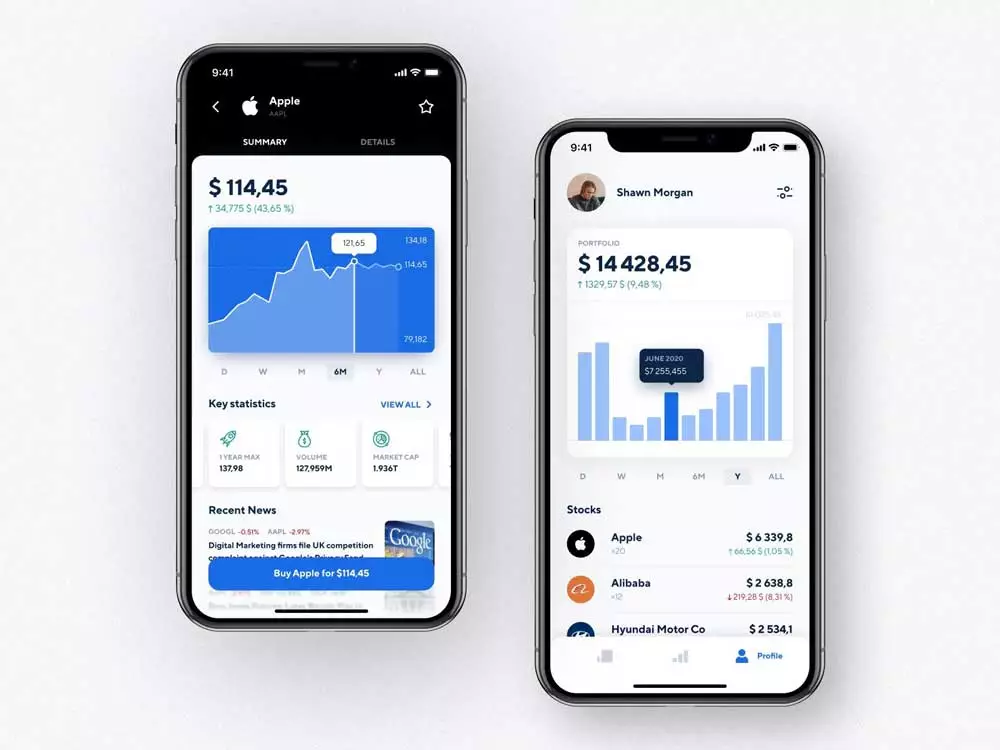
In the digital age, managing investments has transcended beyond traditional methods, thanks to the emergence of innovative technologies. Investment apps have revolutionized portfolio management by offering sophisticated tools and functionalities directly from smartphones. This comprehensive analysis delves into the most effective investment apps available in 2024, evaluating their features, advantages, and suitability for various investor needs.
The Rise of Investment Apps
Investment apps have become indispensable tools for modern investors, providing access to markets, research, and portfolio management at one’s fingertips. These platforms cater to both novice investors and seasoned professionals, offering a range of functionalities from basic trading to advanced portfolio analytics. As technology continues to advance, these apps are becoming more user-friendly and feature-rich, making them an attractive option for anyone looking to optimize their investment strategy.
Key Features to Look for in Investment Apps
Before delving into specific apps, it is essential to understand the features that distinguish top-tier investment platforms. Here are critical attributes to consider:
- User Interface and Experience: A clean, intuitive design enhances usability, making it easier for users to navigate and execute trades.
- Investment Options: A diverse range of investment options, including stocks, ETFs, mutual funds, and cryptocurrencies, allows for a well-rounded portfolio.
- Research and Analytics Tools: Advanced tools for market analysis, real-time data, and research reports help investors make informed decisions.
- Fees and Commissions: Transparent fee structures and low commission rates can significantly impact overall investment returns.
- Customer Support: Reliable customer service ensures prompt resolution of issues and guidance on platform usage.
- Security Features: Robust security measures, such as encryption and two-factor authentication, protect sensitive financial information.
Top Investment Apps for 2024
1. Robinhood
Robinhood has garnered widespread acclaim for its user-friendly interface and commission-free trading. It caters primarily to beginner investors seeking simplicity and ease of use.
- Features: Real-time market data, easy-to-navigate trading platform, and educational resources for beginners.
- Advantages: No commission fees, fractional shares, and access to stocks, ETFs, and cryptocurrencies.
- Considerations: Limited research tools and premium features available only through the paid subscription, Robinhood Gold.
2. E*TRADE
E*TRADE is a comprehensive platform offering a wide range of investment options, including stocks, options, ETFs, and mutual funds. It is suitable for both novice and experienced investors.
- Features: Advanced trading tools, customizable charts, and extensive research reports.
- Advantages: No commission on stocks and ETFs, a robust suite of trading tools, and educational resources.
- Considerations: Some advanced features and services are available only through higher-tier accounts.
3. Fidelity Investments
Fidelity Investments stands out for its extensive research capabilities and diverse investment options. It caters to investors seeking in-depth analysis and a broad range of financial products.
- Features: Comprehensive research tools, retirement planning resources, and access to a wide array of investment options.
- Advantages: No commission on stocks and ETFs, strong research and educational resources, and low fees for mutual funds.
- Considerations: The platform can be complex for beginners due to its extensive features and tools.
4. Charles Schwab
Charles Schwab offers a full-service platform known for its customer service, low fees, and extensive range of investment products. It is well-suited for both new and experienced investors.
- Features: Comprehensive trading tools, research reports, and educational resources.
- Advantages: No commission on stocks and ETFs, access to a wide range of investment products, and excellent customer support.
- Considerations: Some advanced trading features may require a higher account balance.
5. TD Ameritrade
TD Ameritrade is renowned for its powerful trading platform and extensive educational resources. It is ideal for investors seeking a combination of advanced trading tools and educational content.
- Features: Advanced trading tools, real-time data, and a wealth of educational materials.
- Advantages: No commission on stocks and ETFs, strong research capabilities, and a wide range of investment options.
- Considerations: The platform’s extensive features may be overwhelming for beginners.
6. Wealthfront
Wealthfront focuses on automated investing and financial planning, making it an excellent choice for investors interested in robo-advisors.
- Features: Automated portfolio management, tax-loss harvesting, and financial planning tools.
- Advantages: Low fees, automated rebalancing, and personalized financial planning.
- Considerations: Limited to automated investing, with less flexibility for hands-on traders.
7. Betterment
Betterment is another leading robo-advisor that offers automated portfolio management and financial planning services.
- Features: Automated investing, goal-based planning, and tax-efficient investing.
- Advantages: Personalized investment strategies, low fees, and automatic rebalancing.
- Considerations: Limited control over individual investments and less suitable for active traders.
8. Acorns
Acorns is designed for investors looking to invest spare change through a simple, automated approach. It is ideal for those new to investing who prefer a hands-off approach.
- Features: Round-up investing, automatic portfolio rebalancing, and investment education.
- Advantages: Ease of use, automated investing, and micro-investing opportunities.
- Considerations: Monthly fees may outweigh benefits for very small account balances.
9. Merrill Edge
Merrill Edge, a part of Bank of America, provides a robust trading platform with seamless integration for banking customers.
- Features: Advanced trading tools, research reports, and banking integration.
- Advantages: No commission on stocks and ETFs, integrated banking features, and comprehensive research tools.
- Considerations: May be less appealing to non-Bank of America customers due to limited integration.
10. SoFi Invest
SoFi Invest offers a blend of robo-advisory and self-directed trading, catering to a diverse range of investment preferences.
- Features: Automated investing, stock trading, and access to financial advice.
- Advantages: No management fees, access to both automated and self-directed investing, and financial planning tools.
- Considerations: Limited investment options compared to more specialized platforms.
Evaluating the Right Investment App for You
Choosing the right investment app involves assessing your individual needs and preferences. Here are some considerations to guide your decision:
1. Investment Goals
Determine your investment objectives, whether they include long-term growth, retirement savings, or short-term trading. Different apps cater to various goals and investment styles.
2. User Experience
Evaluate the user interface and overall experience. A well-designed app enhances usability and facilitates efficient portfolio management.
3. Investment Options
Consider the range of investment options offered by the app. Ensure it includes the asset classes and financial products that align with your investment strategy.
4. Fees and Costs
Review the fee structures and costs associated with the app. Lower fees can significantly impact long-term investment returns.
5. Tools and Features
Assess the tools and features available, such as research capabilities, trading tools, and educational resources. These can enhance your investment decision-making and strategy implementation.
6. Customer Support
Reliable customer support is essential for addressing issues and providing assistance. Choose an app with accessible and responsive support options.
Conclusion
Navigating the landscape of investment apps requires a thorough understanding of their features and how they align with your investment objectives. From user-friendly platforms like Robinhood to comprehensive services like Charles Schwab and automated solutions such as Wealthfront, each app offers unique advantages tailored to various investor needs. By carefully evaluating the features, costs, and tools of these platforms, investors can select the best investment apps to effectively manage their portfolios and achieve their financial goals. For more insights into investment apps and related resources, visit bandpaid.com.