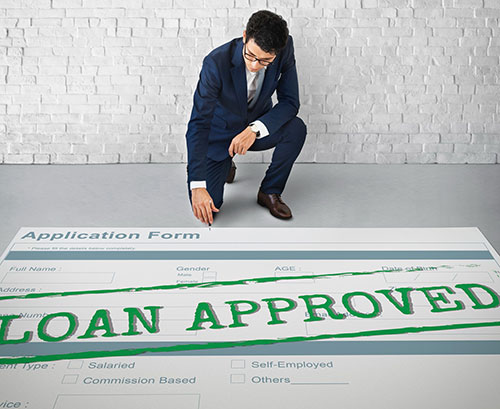

Stamp printed on the approved loan application approved.
Navigating the financial landscape often involves a nuanced understanding of various loan options. Each type of loan application serves distinct purposes and carries unique terms and conditions. This comprehensive guide aims to elucidate the types of loan applications, providing a thorough examination of their characteristics, advantages, and limitations.
1. Personal Loans
Personal loans are versatile financial products typically used for a range of purposes, from consolidating debt to financing large purchases. They are unsecured, meaning they do not require collateral.
Characteristics
- Unsecured: No collateral is needed. Approval is based on creditworthiness.
- Fixed or Variable Rates: Interest rates can be fixed or variable, impacting the total cost of the loan.
- Term Lengths: Terms generally range from one to five years.
Advantages
- Flexibility: Funds can be used for almost any purpose, providing significant flexibility.
- No Collateral Required: Eliminates the risk of losing assets.
Limitations
- Higher Interest Rates: Typically higher rates compared to secured loans.
- Credit Dependent: Approval and terms are heavily dependent on credit score.
2. Mortgage Loans
Mortgage loans are specifically designed for purchasing real estate or refinancing existing property loans. These are secured loans where the property itself serves as collateral.
Characteristics
- Secured: The property is used as collateral, reducing the lender’s risk.
- Long-Term: Generally have long terms, often ranging from 15 to 30 years.
- Fixed or Adjustable Rates: Interest rates can be fixed or adjustable.
Advantages
- Lower Interest Rates: Secured by collateral, these loans often come with lower interest rates.
- Long Repayment Terms: Extended repayment periods make monthly payments more manageable.
Limitations
- Risk of Foreclosure: Failure to repay can result in the loss of the property.
- Complex Application Process: Often involves extensive paperwork and stringent approval criteria.
3. Auto Loans
Auto loans are tailored for purchasing vehicles and are secured by the vehicle itself. These loans are generally short to medium-term.
Characteristics
- Secured: The vehicle serves as collateral.
- Short to Medium Term: Typically ranges from three to seven years.
- Fixed or Variable Rates: May come with fixed or variable interest rates.
Advantages
- Lower Interest Rates: Secured nature often results in lower rates compared to unsecured loans.
- Quick Processing: Generally faster approval and disbursal processes.
Limitations
- Vehicle Depreciation: The value of the vehicle may decrease over time, impacting the loan-to-value ratio.
- Risk of Repossession: Non-payment can lead to vehicle repossession.
4. Student Loans
Student loans are designed to finance educational expenses. They can be federal or private, each with its own set of terms and conditions.
Characteristics
- Federal and Private: Federal loans offer fixed rates and income-driven repayment options, while private loans may offer variable rates and less flexible terms.
- Deferment Options: Federal loans often have deferment and forbearance options.
Advantages
- Flexible Repayment Options: Federal loans provide income-driven repayment plans and potential loan forgiveness.
- Deferment Options: Options to defer payments while still in school or under certain circumstances.
Limitations
- Interest Accumulation: Interest may accumulate during deferment periods.
- Creditworthiness: Private loans may require a good credit score or a cosigner.
5. Home Equity Loans
Home equity loans are used to borrow against the equity in your home. They are secured by the property and are typically used for home improvements or debt consolidation.
Characteristics
- Secured: Uses the home as collateral.
- Fixed Interest Rates: Generally comes with fixed rates.
- Lump Sum: Funds are disbursed in a lump sum.
Advantages
- Lower Interest Rates: Secured loans often feature lower interest rates.
- Tax Deductibility: Interest may be tax-deductible.
Limitations
- Risk of Foreclosure: Failure to repay could result in foreclosure.
- Reduced Equity: Reduces the amount of equity you have in your home.
6. Business Loans
Business loans are designed to support various business needs, such as expansion, equipment purchase, or operational expenses. These can be secured or unsecured and vary widely in terms.
Characteristics
- Secured or Unsecured: Can be secured with business assets or unsecured.
- Varied Terms: Terms can vary significantly based on the lender and the loan type.
- Short to Long Term: Ranges from short-term working capital loans to long-term equipment financing.
Advantages
- Support Business Growth: Provides capital for business expansion and development.
- Variety of Options: Wide range of loan types to suit different needs.
Limitations
- Collateral Requirements: Secured loans require business assets as collateral.
- Credit and Financial History: Approval often requires a strong business credit history and financial statements.
7. Payday Loans
Payday loans are short-term, high-interest loans designed to cover expenses until the borrower receives their next paycheck. They are generally considered high-risk and costly Slot bet 1000.
Characteristics
- Short-Term: Typically due on the borrower’s next payday.
- High-Interest Rates: Often have exorbitant interest rates and fees.
- No Credit Check: Usually do not require a credit check for approval.
Advantages
- Quick Access to Cash: Provides immediate access to funds for urgent needs.
- Minimal Requirements: Often requires minimal documentation.
Limitations
- High Cost: High-interest rates and fees can lead to significant debt.
- Risk of Debt Cycle: Can trap borrowers in a cycle of debt due to high costs and short repayment terms.
8. Lines of Credit
Lines of credit provide flexible borrowing options, allowing access to funds up to a predetermined limit. They can be secured or unsecured and are used for various purposes.
Characteristics
- Revolving Credit: Allows borrowers to withdraw, repay, and borrow again up to the credit limit.
- Interest Rates: Often variable, based on the current market rates.
- Secured or Unsecured: Can be secured by assets or unsecured.
Advantages
- Flexibility: Provides flexible access to funds as needed.
- Only Pay for What You Use: Interest is paid only on the amount drawn.
Limitations
- Variable Interest Rates: Rates can fluctuate, affecting repayment amounts.
- Potential for Overuse: Easy access to credit can lead to over-borrowing.
9. Installment Loans
Installment loans are loans that are repaid over a fixed period with regular, scheduled payments. They can be used for a variety of purposes and are often preferred for their structured repayment terms.
Characteristics
- Fixed Payments: Regular payments of principal and interest over the loan term.
- Varied Terms: Terms can range from a few months to several years.
- Secured or Unsecured: May be secured or unsecured.
Advantages
- Predictable Payments: Fixed payments make budgeting easier.
- Structured Repayment: Clear repayment schedule helps in financial planning.
Limitations
- Less Flexibility: Fixed payment amounts may not accommodate fluctuating financial situations.
- Prepayment Penalties: Some loans may include penalties for early repayment.
Conclusion
Understanding the various types of loan applications is essential for making informed financial decisions. Each loan type serves distinct needs and comes with its own set of terms and conditions. By evaluating the characteristics, advantages, and limitations of each loan type, individuals can choose the option that best aligns with their financial goals and circumstances. For more detailed insights and resources on loan options, visit bandpaid.com.