
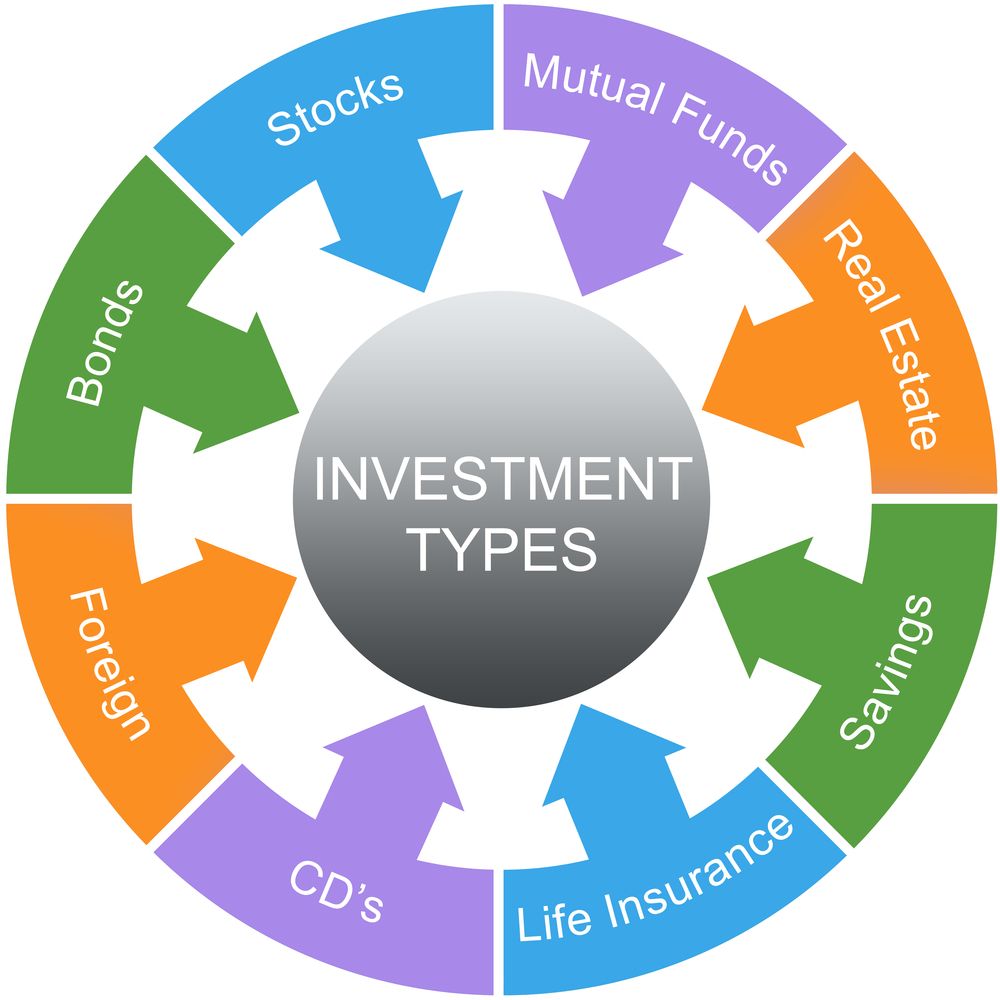
Investment is a cornerstone of financial strategy, offering pathways to growth and security. Understanding the various types of investment options available can profoundly impact your financial future. This comprehensive guide delves into an array of investment choices, providing a deep analysis of each to aid in making informed decisions that align with your financial objectives.
The Essence of Investment Options
Investment options are diverse, each with distinct characteristics, risk profiles, and potential returns. The goal of investing is to allocate capital in a manner that achieves optimal financial outcomes over time.
Fundamental Considerations
Before exploring specific investment types, it is crucial to grasp several fundamental considerations:
- Risk Tolerance: Understanding your capacity to endure fluctuations in the value of investments is essential. Investments range from low-risk, stable options to high-risk, high-reward alternatives.
- Investment Horizon: The length of time you plan to invest affects the types of investments that are suitable. Short-term investments often differ from long-term strategies in terms of risk and return expectations.
- Return Expectations: Each investment type offers different potential returns. Evaluating expected returns relative to your financial goals helps in choosing appropriate investments.
Detailed Analysis of Investment Types
1. Stocks
Stocks, or equities, represent ownership in a company. They provide investors with the opportunity to participate in a company’s financial success.
- Characteristics: Stocks can offer significant returns through capital appreciation and dividends. They are subject to market volatility and are influenced by the company’s performance and broader economic factors.
- Benefits: High potential for growth, ownership stakes in companies, and dividend income. Stocks provide a means to diversify investments across various sectors.
- Drawbacks: High volatility, potential for loss of principal, and dependence on the company’s and market’s performance.
2. Bonds
Bonds are debt instruments issued by governments or corporations. Investors lend money to the issuer in exchange for periodic interest payments and the return of the principal at maturity.
- Characteristics: Bonds are typically less volatile than stocks and offer fixed interest payments. They are categorized by issuer type (government vs. corporate) and maturity length.
- Benefits: Predictable income, lower risk compared to equities, and diversification. Government bonds are considered low-risk, while corporate bonds offer higher returns with increased risk.
- Drawbacks: Lower returns relative to stocks, interest rate risk, and potential credit risk if the issuer defaults.
3. Mutual Funds
Mutual funds pool money from many investors to invest in a diversified portfolio of stocks, bonds, or other assets. They are managed by professional fund managers.
- Characteristics: Mutual funds offer diversification and professional management. They can focus on specific sectors, regions, or asset classes.
- Benefits: Access to diversified portfolios, professional management, and relatively easy to invest in. Ideal for investors who prefer not to select individual securities.
- Drawbacks: Management fees and expenses can reduce returns. There may be less control over specific investments within the fund.
4. Exchange-Traded Funds (ETFs)
ETFs are similar to mutual funds but trade on stock exchanges like individual stocks. They provide exposure to a wide range of asset classes.
- Characteristics: ETFs combine the diversification benefits of mutual funds with the trading flexibility of stocks. They are often designed to track specific indices or sectors.
- Benefits: Lower expense ratios, flexibility in trading, and tax efficiency. ETFs offer transparency regarding holdings and performance.
- Drawbacks: Potential trading costs, market risk, and varying liquidity depending on the ETF.
5. Real Estate
Real estate investments involve purchasing property to generate rental income or capital appreciation. This includes residential, commercial, and industrial properties.
- Characteristics: Real estate is a tangible asset that can provide both income and growth. It requires significant capital and ongoing management.
- Benefits: Potential for steady rental income, property value appreciation, and tax benefits. Real estate can also provide diversification away from financial assets.
- Drawbacks: High initial investment, property management responsibilities, and market fluctuations. Liquidity can be a concern compared to other investment types.
6. Commodities
Commodities include physical goods such as precious metals, oil, and agricultural products. Investing in commodities can serve as a hedge against inflation and economic instability.
- Characteristics: Commodities are traded in physical or derivative markets. Prices are influenced by supply and demand dynamics, geopolitical events, and economic conditions.
- Benefits: Diversification, potential hedge against inflation, and opportunities for significant returns. Commodities can offer protection against economic downturns.
- Drawbacks: High volatility, potential storage and insurance costs, and reliance on global market conditions. Commodities can be less predictable compared to financial assets.
7. Cryptocurrencies
Cryptocurrencies are digital or virtual currencies that use cryptographic techniques for security. They operate on decentralized networks, often leveraging blockchain technology.
- Characteristics: Cryptocurrencies are highly volatile and speculative investments. They offer innovative technology and new investment opportunities.
- Benefits: High growth potential, diversification from traditional assets, and technological advancement. Cryptocurrencies offer access to emerging financial technologies.
- Drawbacks: Extreme volatility, regulatory uncertainty, and potential for loss of principal. The market is relatively new and can be influenced by speculative trading.
8. Savings Accounts and Certificates of Deposit (CDs)
Savings accounts and CDs are low-risk investment options offered by banks. They provide a fixed return on deposits over a specified term.
- Characteristics: Savings accounts offer liquidity and a modest interest rate, while CDs provide higher returns in exchange for locking in funds for a set period.
- Benefits: Safety of principal, predictable returns, and ease of access. CDs typically offer higher interest rates compared to standard savings accounts.
- Drawbacks: Lower returns compared to other investment options, inflation risk, and limited growth potential.
9. Annuities
Annuities are insurance products that provide regular payments over time in exchange for a lump sum or series of payments. They are commonly used for retirement planning.
- Characteristics: Annuities offer guaranteed income streams and can be structured to provide payouts for a specific period or for the lifetime of the investor.
- Benefits: Predictable income, tax-deferred growth, and customization options. Annuities can provide financial security in retirement.
- Drawbacks: Complexity, potential high fees, and limited liquidity. Terms and conditions can vary significantly between annuity products.
10. Alternative Investments
Alternative investments include a wide array of non-traditional asset classes such as hedge funds, private equity, and collectibles. These investments often require higher minimum investments and are less regulated.
- Characteristics: Alternatives can offer unique opportunities for growth and diversification. They often involve less liquidity and higher risk compared to traditional investments.
- Benefits: Potential for high returns, access to unique markets, and diversification beyond conventional assets. Alternatives can provide exposure to different economic drivers.
- Drawbacks: Higher risk, potential for high fees, and lower liquidity. Alternative investments can be complex and require thorough due diligence.
Comparative Overview of Investment Types
To aid in selecting suitable investments, a comparative overview highlights key attributes and considerations:
| Investment Type | Risk Level | Potential Returns | Liquidity | Accessibility |
|---|---|---|---|---|
| Stocks | High | High | High | High |
| Bonds | Moderate | Moderate | Moderate | High |
| Mutual Funds | Moderate | Moderate to High | Moderate | High |
| ETFs | Moderate | Moderate to High | High | High |
| Real Estate | Low to High | Moderate to High | Low | Low |
| Commodities | High | High | Moderate | Moderate |
| Cryptocurrencies | Very High | Very High | High | High |
| Savings Accounts/CDs | Low | Low | High | High |
| Annuities | Low to Moderate | Moderate | Low | Moderate |
| Alternative Investments | High | High | Low | Low |
Conclusion
Understanding the various types of investment options allows for a strategic approach to wealth accumulation and financial security. Each investment type offers unique characteristics, benefits, and drawbacks, making it essential to align choices with personal financial goals, risk tolerance, and investment horizon. For further insights and detailed comparisons of investment opportunities, visit bandpaid.com.